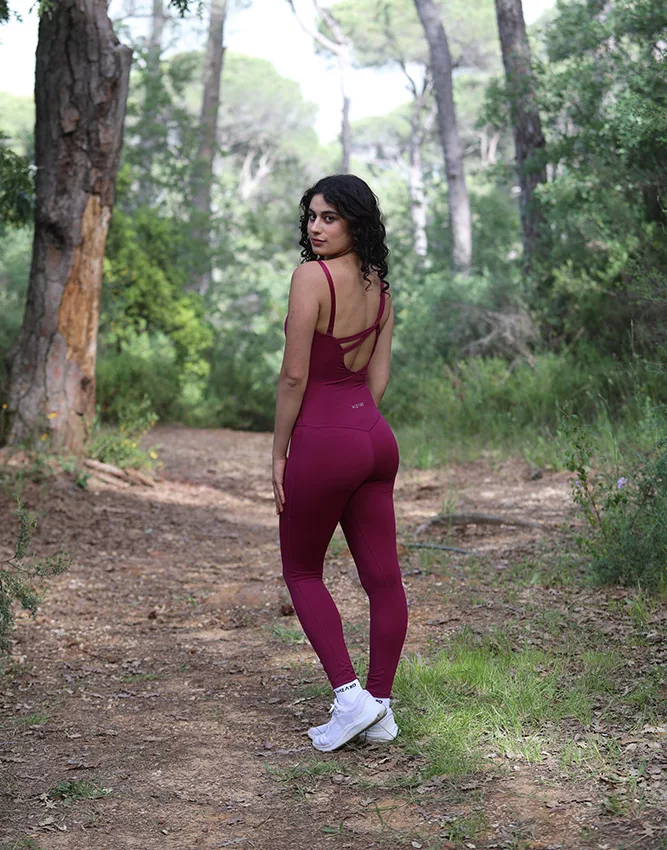
Yes, what you wear to the gym really does matter, and not just for looks. The right workout clothes help you move freely, stay cool, avoid injury, and even train harder. The wrong ones trap sweat, chafe, and hold you back. Here is what actually makes a difference, what to look for when you shop, and why it counts double in Gulf heat.
Does what you wear to the gym actually matter?
It is a fair question, and the honest answer is that fit and fabric matter far more than brand or price. A well-designed piece in a technical fabric will out-perform an expensive cotton t-shirt every time. There is even a psychology to it: researchers call it enclothed cognition, the idea that the clothes you wear change how you think and perform. Put on real workout gear and your brain shifts into training mode. That is a real edge, on top of the physical benefits below.
6 reasons proper gym clothes matter
1. Freedom of movement
Good activewear should feel like a second skin. Lightweight, stretch fabric lets you move through a full range of motion without pulling or riding up. That means you focus on the lift or the run, not on adjusting your clothes. A restrictive waistband or a too-tight sleeve quietly limits every rep.
2. Temperature control in the heat
This matters more in the Gulf than almost anywhere. During a hard session your body has to shed heat fast. Breathable, mesh-panelled fabric lets air move and helps sweat evaporate, so you stay cooler for longer. Pieces from our Vent technology range place mesh at the spots that overheat first, which is a real advantage training outdoors in summer.
3. Sweat-wicking beats cotton
Cotton soaks up sweat and holds it. It gets heavy, cold, and clingy halfway through a workout. Technical fabrics do the opposite: they pull sweat off your skin to the surface where it evaporates, keeping you dry. If you take one thing from this article, make it this: skip cotton for anything intense.
4. Injury prevention
The right kit lowers your injury risk in two ways. Compression wear supports muscles and improves blood flow, which can reduce fatigue and soreness. And close-fitting clothes do not get caught in machines or cables the way loose, baggy layers can. Our compression tights are built for exactly this kind of support.
5. Confidence and focus
This is enclothed cognition in action. When you know you look and feel good, you carry yourself differently and train with more intent. Fresh, well-fitting gear puts you in the right frame of mind before you even start your warm-up. It is a small mental edge that adds up over a training block.
6. Skin comfort
Cheap fabric can irritate your skin, especially once you sweat. Rough seams and non-breathable material cause chafing, rashes, and heat rash when your sweat glands get blocked. Smooth, seamless, breathable fabric prevents most of this. It is the difference between a comfortable session and an itchy, distracting one.

What to look for when choosing gym clothes
Not all activewear is made equal. When you shop, prioritise these four things over the logo:
- Fabric: moisture-wicking and breathable, not cotton, for anything high-intensity.
- Fit: close enough not to snag on equipment, stretchy enough for a full range of motion.
- Seams: flat or seamless construction to prevent chafing on longer sessions.
- Purpose: match the piece to the activity. A padded bib short for cycling is not a gym short.
Different workouts have different demands. For a deeper look at how fabric choice changes with intensity, read our guide on sportswear fabrics for low and high impact workouts. Browse our women’s workout and men’s workout ranges to see these features in real pieces.
The science behind enclothed cognition
The idea that clothes change how you perform is not just a feeling. Researchers have studied it, and they call it enclothed cognition. The theory has two parts: the physical experience of wearing the clothes, and the meaning you attach to them. When you put on real workout gear, your brain links it to training, focus, and effort. That mental shift can genuinely change how hard you push.
It is the same reason a uniform changes how someone behaves at work. Your gym kit becomes a signal to yourself that it is time to train. This is why a fresh, well-fitting outfit often makes a session feel better before you have even started. The effect is small, but small edges add up over a training block.
How the right clothes help different activities
The benefits of good gym clothes look a little different depending on what you do.
- Running: lightweight, wicking fabric and anti-chafe seams matter most over distance.
- Weight training: stretch and a close fit let you move through squats and presses freely.
- Yoga and pilates: four-way stretch and a stay-put fit let you hold poses without adjusting.
- Cycling: a fitted cut and padded shorts protect you against wind and saddle pressure.
- HIIT: breathability and support handle the sweat and high-impact movement.
Browse our women’s workout and men’s workout ranges to match the right piece to your training.
Common myths about gym clothes
A few myths lead people to buy the wrong things. The first is that expensive means better. It does not; fabric and fit matter far more than price. The second is that sweating more in heavy clothes helps you lose weight. It does not, since that is just water you will drink back, and it can be dangerous in the heat. The third is that any t-shirt will do. A cotton tee traps sweat and works against you in a hard session. Judge gear by its fabric and fit, not by the label or the price.
How gym clothes affect hygiene
There is a hygiene case for proper gym clothes too. Technical fabric wicks sweat away from your skin, which reduces the warm, damp conditions where bacteria and skin irritation thrive. Many activewear fabrics also carry antimicrobial finishes that slow odour-causing bacteria. Cotton, by contrast, holds sweat against your skin, which can lead to breakouts, chafing, and rashes over time. Wearing the right fabric, and washing it after every session, keeps your skin healthier as well as keeping you more comfortable.
How to shop for gym clothes
Shopping well comes down to a few checks that matter more than the brand or the price. Look at the fabric first: choose moisture-wicking, breathable material for anything intense. Check the fit by moving in it, since a piece that pulls or rides up will annoy you every session. Feel the seams; flat or seamless construction prevents chafing. Finally, match the piece to what you actually do, since a padded cycling short is not a gym short. Buy fewer, better pieces rather than filling a drawer with items that wear out fast.
Do good gym clothes last longer?
Yes, and this is part of why they are worth it. Well-made technical fabric resists the stretching, sweating, and washing that wear out cheap kit quickly. A quality piece holds its shape, colour, and performance for years when cared for properly. Cheap activewear often sags, pills, or loses its wicking after a few months. So while good pieces cost more up front, they usually work out cheaper over time because you replace them far less often. Caring for them well, by washing cold and air-drying, stretches their life even further.
Confidence, comfort, and consistency
The biggest long-term benefit of good gym clothes may be consistency. When your kit is comfortable, supportive, and makes you feel good, you are more likely to show up and train. Discomfort, chafing, and clothes that do not fit are small barriers that add up and make it easier to skip a session. By removing those frictions, the right gear helps you stay consistent, and consistency is what actually delivers fitness results. In that sense, what you wear supports the habit as much as the workout itself.
Frequently asked questions
Does it really matter what you wear to the gym?
Yes, but fit and fabric matter more than brand or price. Technical, breathable fabric that wicks sweat and lets you move freely will genuinely improve your comfort and performance. A cotton t-shirt will not, no matter how much it costs.
What are the benefits of wearing proper gym wear?
Proper gym wear keeps you cool by wicking sweat and letting air flow, supports your muscles through compression, lets you move without restriction, lowers injury risk, and prevents skin irritation. It also gives a real confidence and focus boost through enclothed cognition.
What should I avoid wearing to the gym?
Avoid 100% cotton for intense sessions, since it traps sweat and gets heavy. Avoid loose, baggy layers around machines and cables, as they can snag. Skip anything with rough seams that chafe, and leave jewellery at home.
Is expensive gym clothing worth it?
Not always. Price is a poor guide to performance. What matters is the fabric technology, the fit, and the seam construction. A mid-priced technical piece often out-performs a premium cotton-blend one. Judge gear by its features, not its price tag.
How do I keep gym clothes performing well?
Wash them cool, skip fabric softener, and air-dry where you can. Softener clogs the fibres that wick sweat, and high heat breaks down stretch. For the full method, see our guide on how to care for your gym clothes.