






















































The best lower body strength exercises are the big compound moves: squats, deadlifts, lunges, and hip thrusts. They build the legs and glutes, boost overall strength, and burn a lot of energy. This guide covers the key exercises, how to build them into a leg workout, and what to wear so your kit moves with you.
The best lower body exercises
- Squats: the king of leg exercises. They work the quads, glutes, and hamstrings all at once.
- Deadlifts: build the hamstrings, glutes, and lower back, and teach a strong hip hinge.
- Lunges: train one leg at a time to fix side-to-side differences and improve balance.
- Hip thrusts: the best move for building strong glutes.
- Calf raises: finish the session by training the lower legs.
For the different ways to lunge and which are kindest on the knees, see our guide on lunge variations.
A simple lower body workout
Do 3 sets of 8 to 12 reps for each move, resting about a minute or two between sets.
- Squats
- Deadlifts
- Reverse lunges
- Hip thrusts
- Calf raises
Can you build lower body strength with bodyweight only?
Yes, especially as a beginner. Bodyweight squats, lunges, glute bridges, and step-ups build real strength with no equipment. As you get stronger, add weight or single-leg versions to keep the challenge going. Weights let you progress further, but they are not required to start.
What to wear for leg day
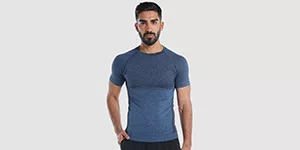
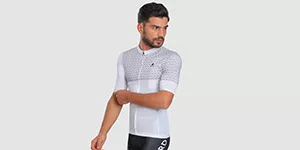
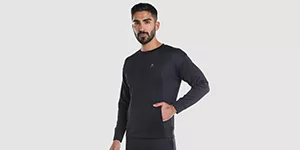
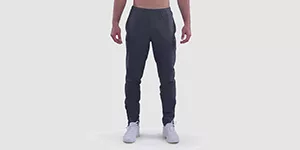
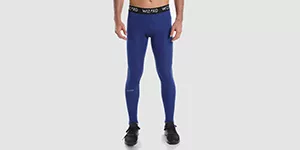
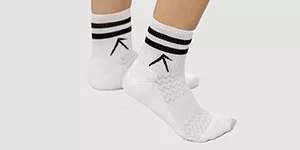
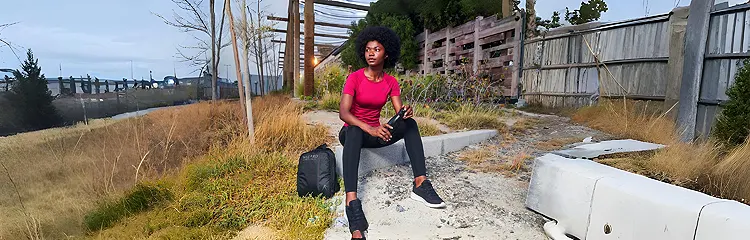
Leg training needs a full range of motion, so your bottoms must stretch through deep squats and lunges without pulling or riding up. High-waist compressive leggings support the core during heavy lifts. In Gulf heat, breathable fabric keeps you cool. See our women’s leggings and men’s shorts ranges for leg-day-ready pieces.
How to do the key lifts with good form
Squat
Stand with feet shoulder-width apart. Push your hips back and bend your knees as if sitting into a chair, keeping your chest up and your back flat. Lower until your thighs are about parallel to the floor, then drive through your heels to stand. Keep your knees tracking in line with your toes.
Deadlift
Stand with the bar or weights over your mid-foot. Hinge at the hips, keep your back flat, and grip the weight. Drive through your heels and push your hips forward to stand tall. The movement is a hip hinge, not a squat, so keep the weight close to your body throughout.
Hip thrust
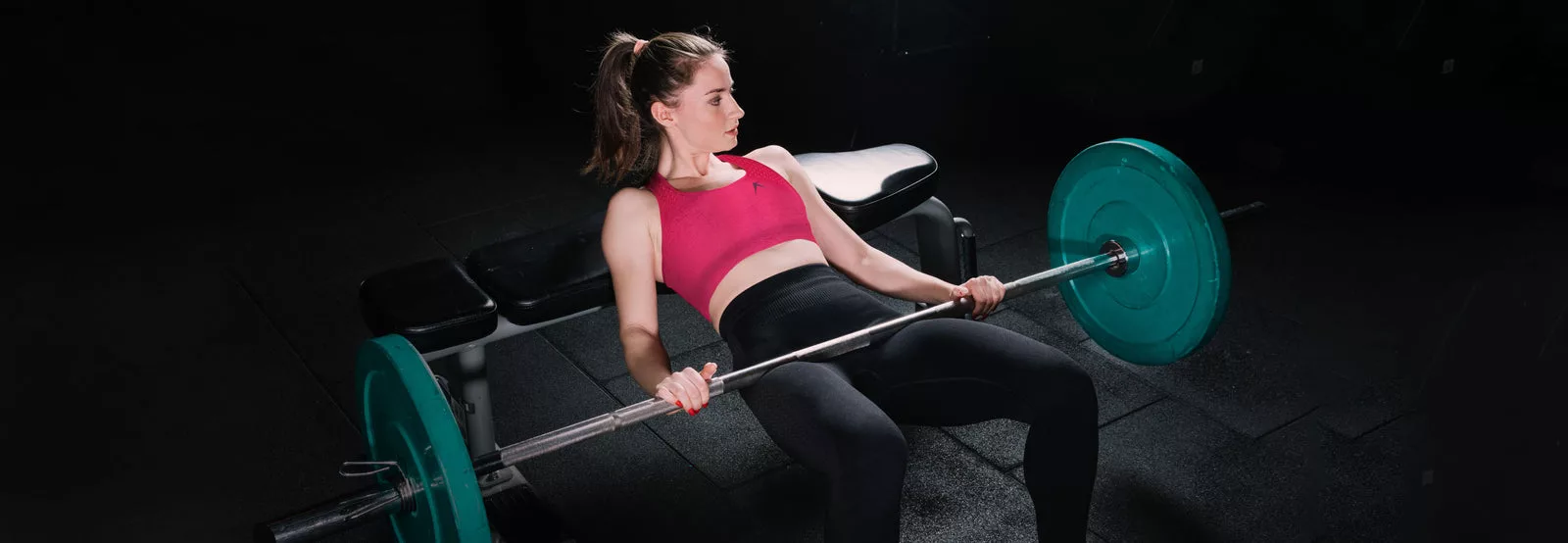
Rest your upper back on a bench, feet flat on the floor. Drive through your heels to lift your hips until your body forms a straight line from shoulders to knees, then squeeze your glutes at the top. Lower with control. This is the single best move for building strong glutes.

How to program a leg workout
Structure your session around one or two big lifts, then add accessory moves. Start with squats or deadlifts while you are fresh, since they need the most focus and energy. Follow with lunges and hip thrusts, then finish with calf raises. Do 3 to 4 sets of 8 to 12 reps for strength, resting one to two minutes between sets.
To keep getting stronger, add a little each week, whether that is more weight, an extra rep, or an extra set. This gradual increase, called progressive overload, is the key to long-term progress. Two leg sessions a week, with rest days between, is enough for most people.
Warm up and avoid common mistakes
Always warm up before heavy leg work. Five to ten minutes of light cardio plus some bodyweight squats and leg swings prepares your muscles and joints. The most common mistakes are lifting too heavy with poor form, cutting the range of motion short, and skipping rest days. Legs are large muscles that need real recovery, so more is not always better. Form and consistency beat ego lifting every time.
A bodyweight lower body workout for home
You do not need a gym to train your legs. This bodyweight session builds real strength at home with no equipment. Do 3 rounds, resting a minute between rounds.
- Bodyweight squats, 15 to 20 reps
- Reverse lunges, 10 per leg
- Glute bridges, 15 to 20 reps
- Step-ups onto a sturdy chair, 10 per leg
- Calf raises, 20 reps
To make it harder as you get stronger, slow each rep down, add a pause at the bottom, or move to single-leg versions. A backpack filled with books adds resistance if you want more. This is an ideal option for the hottest days when you would rather train in an air-conditioned room at home.
Lower body training for runners
Runners often skip strength work, but it is one of the best ways to run faster and avoid injury. Strong glutes, quads, and hamstrings absorb impact and drive each stride. Focus on single-leg moves like lunges and step-ups, since running is a single-leg action. Two short strength sessions a week, kept separate from hard running days, make a noticeable difference over a training block.
Building stronger glutes
The glutes are the largest muscle group in the body, and strong glutes support your lower back, improve posture, and power almost every lower-body movement. Many people have underactive glutes from sitting all day. Hip thrusts and glute bridges target them directly, while squats and lunges train them alongside the other leg muscles. Focus on squeezing the glutes at the top of each rep to make the connection. Add one or two glute-focused moves to every leg session.
Do not skip mobility and recovery
Strong legs need mobile joints and proper recovery. Spend a few minutes after each session stretching the hips, quads, and hamstrings to keep your range of motion. Between sessions, give your legs at least a day to recover, since muscles grow during rest, not during the workout. Sleep and good food do more for your results than an extra set ever will.
A four-week lower body progression
Progress comes from a plan, not random sessions. Here is a simple four-week structure you can repeat. In week one, learn the movements with light weight and focus on form. In week two, add a little weight while keeping your reps the same. In week three, add another set to each exercise for more volume. In week four, ease off with lighter weights to let your body recover and adapt. Then start the cycle again, a little stronger than before. This steady build is far more effective than trying to lift as heavy as possible every session.
Track your workouts so you can see the progress. Note the weight and reps for each exercise, and aim to beat them slightly over time. Seeing the numbers climb keeps you motivated and makes sure you are genuinely progressing rather than treading water.
Fuel and rest for stronger legs
Training is only half the picture. Your legs grow when you rest and refuel, not during the session itself. Give each leg workout at least a day, ideally two, before training legs hard again. Prioritise sleep, since that is when most muscle repair happens. Eat enough overall, with plenty of protein to rebuild the muscle you worked. Skip any of these and your progress stalls no matter how hard you train. Treat recovery as part of the workout, not an afterthought.
The bottom line on lower body strength
Strong legs come from the big compound moves: squats, deadlifts, lunges, and hip thrusts. Build your sessions around one or two of these while you are fresh, then add accessory work. You can train effectively with weights or with bodyweight at home, so there is no excuse to skip leg day. Warm up, keep your form strict, and add a little each week to keep progressing. Train legs twice a week, rest and refuel properly, and stay consistent. Do that and you will build stronger, more powerful legs that support everything else you do.
الأسئلة الشائعة
What is the best exercise for lower body strength?
The squat is the single best lower body exercise, because it works the quads, glutes, and hamstrings together and lets you load heavy weight safely. Deadlifts are a close second. Most strong leg workouts are built around these two.
Are 4 exercises enough for leg day?
Yes. Four well-chosen compound moves, such as squats, deadlifts, lunges, and hip thrusts, train the whole lower body. Add calf raises if you want to finish the lower legs. Quality and effort matter more than the number of exercises.
How often should I train legs?
Two times a week is enough for most people, with a couple of rest days between sessions so the muscles recover. Legs are large muscles that need real recovery, so more is not always better.
Should I do legs and upper body on the same day?
You can. A full-body session that includes both works well if you train two or three times a week. If you train more often, splitting upper and lower days lets you focus more on each. For upper body, see our upper body workout guide.